How to Teach Your Child Shona or Ndebele When You Live Abroad
For many Zimbabwean parents living abroad, one question comes up: how do you help your child stay connected to their language and culture when they grow up thousands of kilometres from home?
Your child may speak English at school, watch English cartoons, and spend most of their day in an environment where no one speaks Shona or Ndebele. They may respond to you in English or struggle to understand some of the words and phrases you use.
Over time, teaching your child your language may start to feel like a chore.
The good news is that your child doesn't have to live in Zimbabwe to be learning Shona or Ndebele. With consistent practice, encouragement, and the right learning resources, you can make language learning a natural part of family life.
1. Start With the Language You Use Every Day
You don't need to start with complicated grammar and a long vocabulary list. Start with the words your family uses every day.
Teach your child to say how are you ("Makadini" / "Linjani"), introduce themselves ("My name is Yanai" – "Zita rangu ndinonzi Yanai" / "Ibizo lami nginguYanai"), ask simple questions ("What is your name?" – "Iwewe unonzi ani?" / "Ngubani ibizo lakho?"), and state their needs in Shona or Ndebele.
For instance, you could start with basic phrases such as "Mangwanani Amai" / "Livukile mama" ("Good morning, Mom"), "Ndava kuenda kubasa" / "Sengiya emsebenzini" ("I'm going to work now"), and "Wadya here?" / "Usudlile yini?" when asking if they have eaten yet.
Practise these words throughout the day, while getting ready for school or when calling family members.
If your family speaks Ndebele, then start off with the normal greetings and expressions.
The aim is to help your child understand how the language works in real conversation, rather than just memorising words without knowing when to use them.
2. Make Language Learning Part of Your Daily Routine
Children learn through repetition and through the things they do every day. You don't need to spend an entire hour a day teaching them a language.
Instead, weave some small learning moments into the activities you're already doing together.
During meals, teach your child the names of the foods. While getting dressed, teach them the names of the different articles of clothing. When you're out in the garden, teach them the names of animals, plants, and other objects.
You can also set up a very short language learning session. A mere 10 minutes of focused practice gives your child the opportunity to go over some of the words they already know and pick up a few new ones.
Consistency is the key. The more exposure your child has, the more comfortable they will become with the language and the more opportunities they will have to practise.
3. Encourage Your Child to Speak Without Fear of Making Mistakes
One of the biggest problems with learning a language is feeling embarrassed about getting the words wrong.
Your child may understand Shona or Ndebele but be reluctant to speak because they're not confident in their pronunciation or how to structure a sentence. Correcting every mistake and expecting perfection from the outset is likely to put them off altogether.
Instead, encourage your child to try.
When they use a word incorrectly, repeat the correct word in your response. Be natural about it, praise their effort and give them further opportunities to try again.
You could also have a family rule that each of you tries to use a few words in Shona or Ndebele each day. That way it becomes a shared activity rather than something your child has to go through and "pass".
The aim is to build confidence slowly so your child becomes comfortable using the language in everyday conversation.
4. Bring Grandparents and Extended Family Into the Learning Process
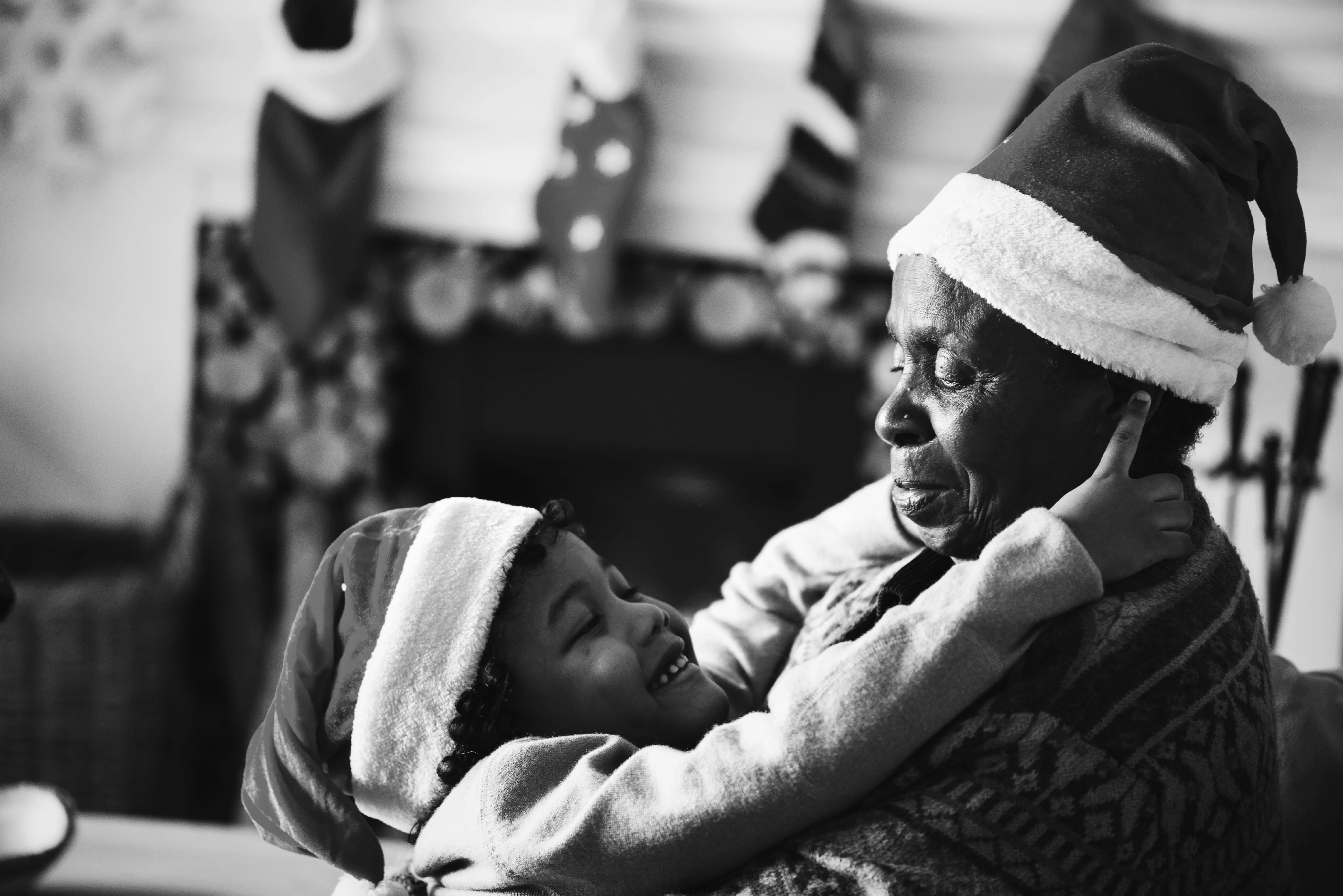
For children growing up overseas, chatting with their grandparents and relatives is a real opportunity to hear Shona or Ndebele spoken the "real" way.
Encourage your child to say hello to their grandparents in the language, ask simple questions, and learn the names of family members and relatives.
During video calls, a relative could teach your child a new word or tell a very short family story in Shona or Ndebele. You can then go over the words with them afterwards.
These interactions help the child link language to real relationships and life experiences.
They also give the family a shared activity, even if they're spread out across the world.
5. Use Technology to Support Language Learning
Technology is part of children's everyday lives, so using digital resources to support their language learning makes sense.
Language learning apps provide a way to practise vocabulary and phrases outside the classroom or normal family conversation. They also let adults learn alongside their kids.
Yanai helps children and adults learn Shona and Ndebele through a simple, accessible digital learning experience.
Whether your child is learning their first words or you're building your own language skills, the app gives your family another way to practise consistently.

The best results come when digital learning is paired with real-life conversation. Once a lesson is complete, have your child use that new word at dinner, on a call with a relative, or while playing at home.
This helps what they learn on screen become language they use in real life.
6. Choose One Language to Focus on at a Time, If Needed
Some households are bilingual (Shona and Ndebele), and others have children learning more than one language.
If your child feels overwhelmed, start with one language or a few familiar phrases. Once they feel more at ease, you can slowly add more vocabulary and more conversation.
If your family uses both languages regularly, you don't necessarily have to rule one out. Create clear opportunities to practise each language.
Every family has a different routine, so choose the approach that works for your child and your home.
The key is to create regular learning opportunities without it feeling like a chore.
7. Remember Why You Started
Teaching your child Shona or Ndebele is about so much more than learning words.
Language gives children another way to communicate with their relatives, understand family stories, take part in their culture's traditions, and connect with people from their own background.
Your child may well grow up in the UK, the US, South Africa, Australia, or indeed anywhere in the world. They can still have a very real relationship with the language that their family speaks.
You don't need to have it all right from the outset. Start with a few words, allow time for practice, and keep your child learning.
Small steps give your family a solid foundation to build on.
Start Your Family's Language-Learning Journey With Yanai
Living overseas doesn't necessarily mean you have to cut yourself off from the languages that link you to your family in Zimbabwe.
With a bit of practice and the right support, you can help your child develop their Shona or Ndebele skills while creating opportunities for connection across generations.
Yanai makes Shona and Ndebele learning accessible to children and adults worldwide.
Start with one lesson, do it together and make the language part of your everyday life.
Your language. Your roots. Your Yanai.
Ready to get started? Explore Yanai and take the first step toward learning Shona or Ndebele with your family.
Related Articles: Keeping Our Languages Close to Home, Introduction to Yanai App
Keywords: teach child Shona abroad, teach child Ndebele abroad, Zimbabwean diaspora parents, raising bilingual children, heritage language learning